Internal linking is one of the most profitable SEO levers, but also one of the most underrated. By correctly organising your site's internal links, you guide visitors and search engines through your site structure. Yet few companies take the time to think about this network strategically.
Why internal linking is a pillar of SEO
Every internal link is an open door to another page on your domain. These links make it easier to discover your content, distribute popularity across your pages and tell Google which pages are your priorities. Without internal linking, part of your site remains invisible, even if you publish regularly.
In practice, a page that receives internal links from already well-ranked pages passes on some of their authority. For example, if your homepage links to a product page, that page receives a stronger relevance signal than a page accessible only via a deep page. Good internal linking therefore improves the ranking of strategic pages without spending a penny on advertising.
How to structure your site to make internal linking easier
Your site structure should be designed as a logical hierarchy. The goal is simple: to allow users and Google bots to reach any page in a few clicks from the homepage. For this, a silo architecture works well:
- A homepage that presents your main themes;
- Category pages that group together secondary topics;
- Articles or product pages that always link back to their category;
- Cross-links between complementary articles to create a dense network.
This organisation gives meaning to your internal linking. It avoids orphan pages, that is, pages that no other page links to. Also consider using short, explicit URLs, because a good site structure is reflected in the page addresses.
Best practices for your internal links
Optimising your internal linking does not mean multiplying links at all costs. The quality of links matters more than quantity. Search engines analyse the anchor text, the position of the link and the context in which it appears.
Here are a few simple rules to apply:
- Use descriptive link texts, for example “internal linking guide” rather than “click here”;
- Place important links early in the content, as their weight is stronger;
- Limit the number of internal links per page, generally between 5 and 10;
- Add breadcrumbs to strengthen internal linking and make navigation easier;
- Link new content to older articles that already have popularity.
These actions strengthen your site structure and help Google understand which pages deserve to be ranked. Internal linking must always serve the user: a link should provide additional information, not simply exist.
Mistakes to avoid in your internal linking
Some practices can break your internal linking and harm your SEO. The first is the overly generic link. The anchor text “learn more” does not explain the topic of the destination page. Google then misses an opportunity to understand the content of your page.
The second mistake is creating deep pages, buried under several levels of navigation. An article accessible in five or six clicks from the homepage will rarely be explored quickly by search engines. Ideally, important pages should be accessible in two or three clicks maximum.
Finally, beware of broken internal links. A dead link creates a dead end for bots and degrades the user experience. Check your internal links regularly with a crawling tool or Search Console. Healthy internal linking is a network where every link works and leads to a useful page.
Measuring the effectiveness of your internal linking
To find out whether your internal linking is paying off, you need to measure its impact. Several indicators are useful: the number of indexed pages, the number of pages visited per session, click depth or the pages that receive the most organic traffic.
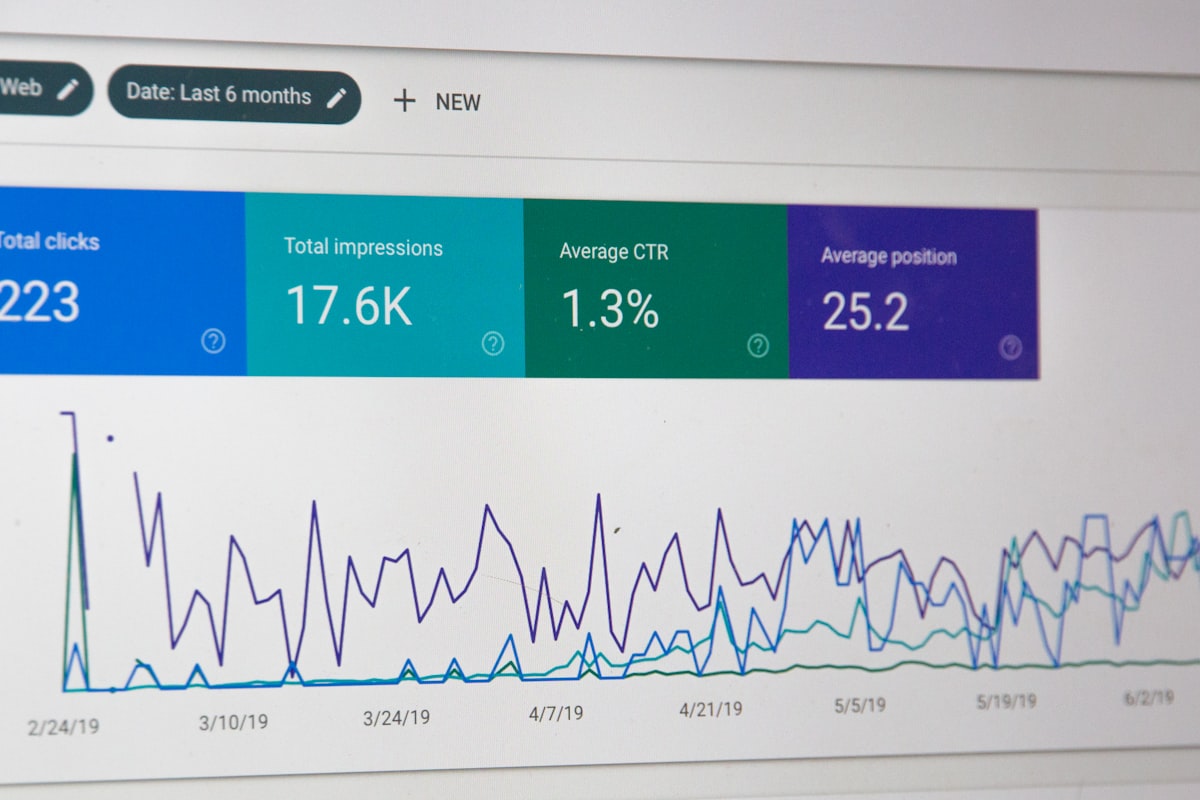
In Google Search Console, look at which page is most used as an entry page, then observe the internal links that lead users to other content. If a strategic page receives no traffic, it may be because your internal linking does not make it visible enough. Improve the internal links from your most visited articles, and you will gradually see that page's ranking change.
Conclusion
Good internal linking is not obvious at first glance, but it turns your site into a machine for generating rankings on Google. By structuring your internal links, polishing your anchors and avoiding orphan pages, you improve both SEO and user experience. Start by auditing your main pages, then add relevant internal links regularly. It is ongoing work, but its effects are lasting.
Take action with Solyk
Do you want to gain visibility without spending hours on it? Solyk writes and automatically publishes your sponsored articles: SEO and GEO optimised content, APA references, quality backlinks and citations by AI (ChatGPT, Gemini, Perplexity). Verified publication on trusted sites, from €30.


